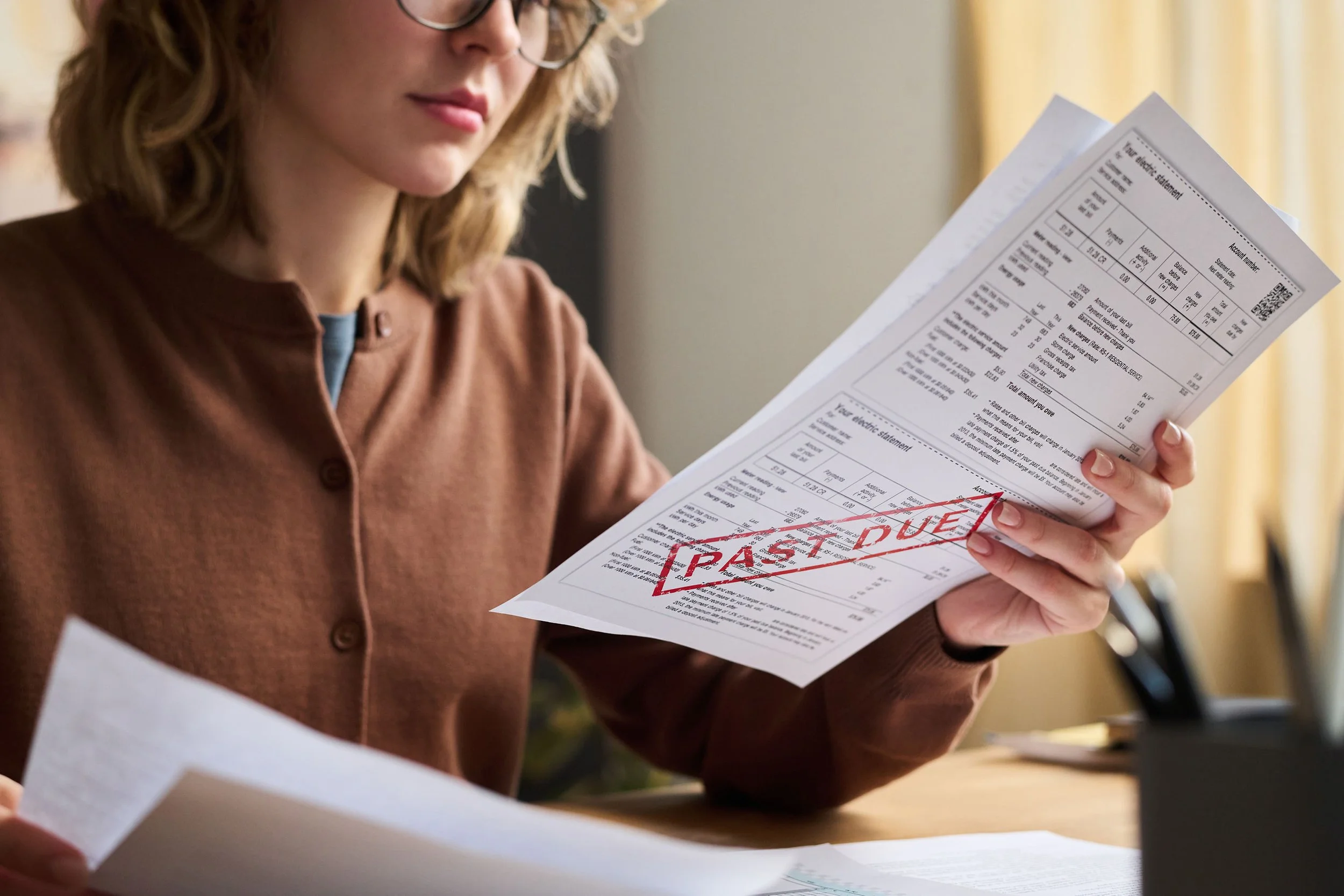
How can you minimise the risk of unpaid invoices when a client goes into liquidation?
November 2026 - A client going into liquidation can cause a significant financial setback. For a self-employed person or an SME in particular, even one large outstanding invoice can have a considerable impact on cash flow. Whilst you cannot, of course, prevent a client from going into liquidation, you can minimise the risk of unpaid invoices. Thorough checks, clear agreements and rigorous follow-up will go a long way towards achieving this.
Be aware of your position as a creditor
If a client goes into liquidation, your business is usually treated as an ordinary creditor. This means you are not automatically at the front of the queue to get your money back. Creditors with certain security or statutory privileges take precedence. The liquidator’s costs and fees are also paid first.
As a result, there is sometimes little left for ordinary creditors. In more than half of all insolvencies, the available assets are not even sufficient to pay the estate’s debts in full. Recovering an outstanding invoice is therefore by no means a foregone conclusion.
Check a client before you do business with them
The best way to avoid an unpaid invoice? Check who you’re doing business with beforehand. Especially when it’s a new client or when you’re carrying out a large project straight away.
For example, look at:
the most recent annual accounts and financial figures
the company’s track record
any signs of payment difficulties
the client’s overall financial health
This will give you a better idea of the risk you’re taking. Your accountant can also help with this and spot financial warning signs more quickly.
Do not give clients more credit than is necessary
The longer an invoice remains unpaid, the greater the risk that you will lose money if a client runs into financial difficulties. You should therefore limit the amount you are, in effect, advancing.
For example, you could work with an advance payment or interim invoices. For larger projects, it is often wiser to invoice monthly or even fortnightly rather than waiting until the entire project is complete.
In addition, agree on a clear and realistic payment term. A shorter term can help you spot any payment difficulties a client may be experiencing sooner.
And above all: don’t wait too long to follow up. A friendly reminder can quickly clarify whether there has been an administrative error or a more serious payment issue. If payment is still outstanding, you can proceed with a formal notice of default and, if necessary, other debt recovery measures. In any case, ensure that your records and communications are kept up to date.
Set out agreements clearly in advance
Good terms and conditions can strengthen your position if a client fails to pay. You can include provisions in them regarding, amongst other things, interest on late payments, a fixed sum in compensation and the consequences of late payment.
A right of suspension can also be important. This allows you, under certain conditions, to temporarily suspend your services until outstanding invoices are paid. This prevents the debt from increasing further whilst you continue to provide services.
You should also consider in advance what happens if a client goes into liquidation. This is because liquidation does not automatically terminate a current contract. Without clear agreements, your services may therefore continue whilst the client no longer pays your invoices.
Protect your own cash flow
An unpaid invoice isn’t just a problem between you and your client. When income fails to materialise, it can also have consequences for your own cash flow. After all, you still need to pay your suppliers, staff and other costs.
You should therefore make credit management a standard part of your business operations. Keep a systematic record of outstanding invoices and take swift action when a payment is overdue. Digital invoicing and systems such as Peppol can help you send invoices quickly and follow them up more easily.
A client who pays late today will not necessarily go bankrupt tomorrow. However, late payments are a warning sign that you need to remain vigilant. By screening parties in advance, limiting your credit risk and responding swiftly to late payments, you reduce the likelihood that the bankruptcy of a single client will also put your financial health under pressure.